
Foundation Repair
When stair-step cracks in mortar point to movement below the slab or footing, foundation repair addresses the root cause.
Learn More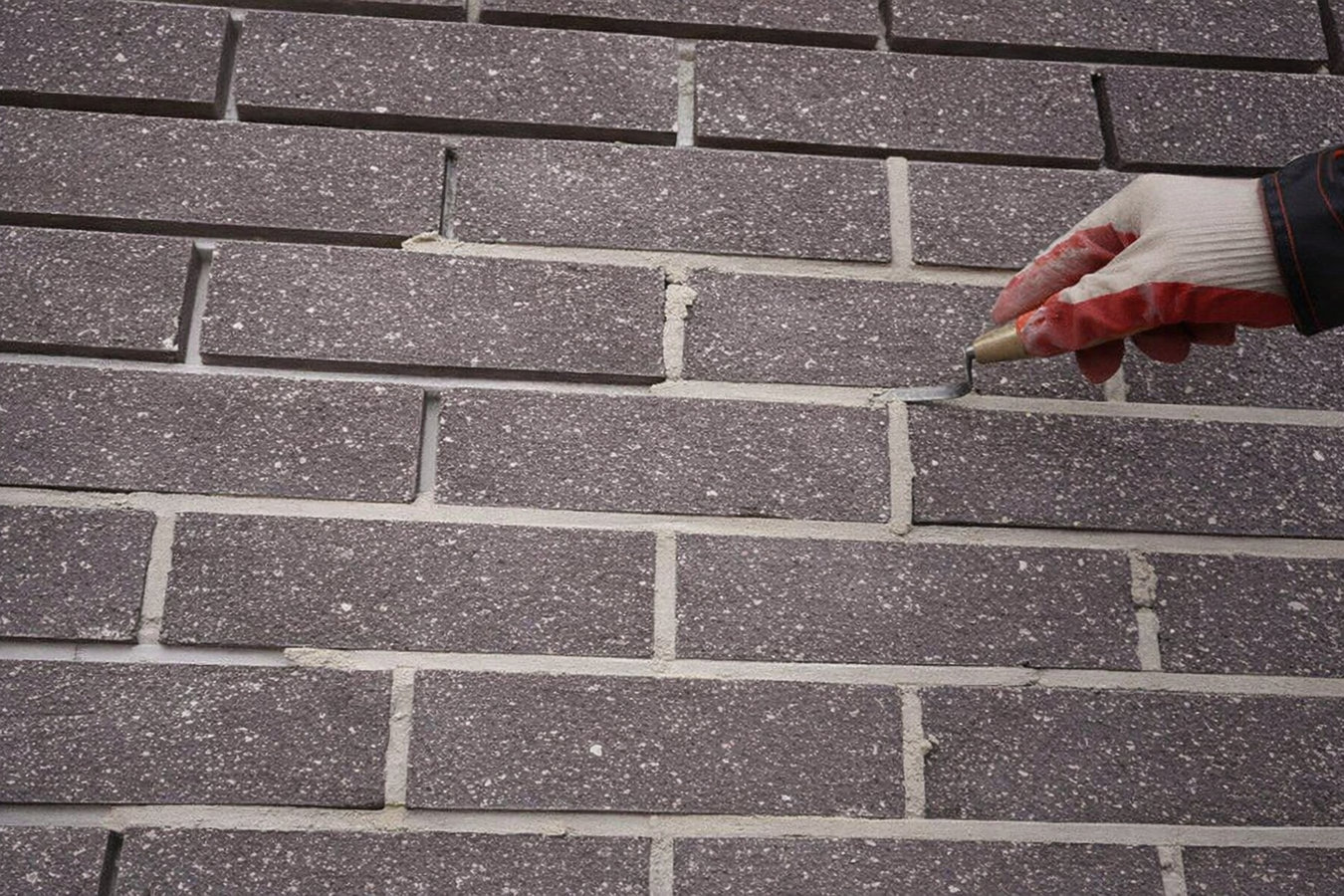
Crumbling mortar between your bricks is an open door for Ocala's summer rain. We remove the failed material, pack in fresh mortar matched to your brick type, and close those joints before the next rainy season pushes water into your walls.
Brick pointing in Ocala, FL is the process of removing old, crumbling mortar from the joints between your bricks and replacing it with fresh mortar matched to your wall, and most residential jobs - a chimney, a section of exterior wall, or a garden structure - take one to three days from start to cleanup.
Mortar is softer than brick by design - it is meant to absorb movement and moisture so the bricks themselves do not crack. Over time, Ocala's heat and humidity wear it down until it crumbles or pulls away from the brick face. When that happens, rain gets into the wall and the damage grows from the inside out. Catching it early keeps the job straightforward. Waiting means potentially replacing sections of brick rather than just refilling the joints. For homes with deeper structural concerns, our foundation repair service handles issues where wall movement is tied to what is happening underground.
If you have noticed gaps you can see from several feet away, soft sandy mortar that crumbles when you press it, or white staining on your brick surface, those are reliable signs that pointing work is overdue. The repair is well within budget for most homeowners - the goal is to do it before water turns a mortar problem into a brick problem.
Run your finger along the mortar lines. If the material feels soft, sandy, or crumbles away easily, it has broken down past the point where it is doing its job. Gaps you can see from a few feet away mean water has already been getting in - the sooner you address it, the less damage you find inside the wall.
That chalky white residue on brick walls is called efflorescence - mineral salt left behind when water moves through the wall and evaporates on the surface. In Ocala's rainy season this is a common early warning sign that moisture is traveling through your mortar joints. It does not mean your wall is about to fail, but it does mean water is getting in somewhere it should not.
Ocala's summer storms are intense, and chimneys take rain from every direction. After a wet season, look up from the yard - if the mortar lines look recessed, dark, or uneven compared to the brick face, the joints have likely eroded. Chimney mortar tends to fail before wall mortar because it faces weather from above, below, and both sides at once.
Diagonal cracks that follow the mortar joints in a stair-step pattern are a sign that the wall has shifted slightly - often from the sandy soil movement common in Marion County. This is different from random surface cracks. A stair-step pattern tells you the ground or foundation beneath the wall has moved, and the mortar joints are where the stress showed up first.
Our brick pointing work covers the full range of joints that need attention on a typical Ocala home - chimney repointing, exterior wall sections, garden walls, and the mortar around window and door openings. Every job starts with grinding or chiseling out the old mortar to the right depth, which is roughly three-quarters of an inch. Rushing this step is one of the most common causes of early failure - if the damaged material is not fully removed, the fresh mortar has nothing solid to bond to. We then pack in new mortar and tool it smooth to match the joint profile of your existing brickwork. Related joint repair work on stone features is handled under our masonry restoration service, which covers a broader range of repair and refurbishment work.
One detail that matters more than most homeowners expect: the mortar mix. Using a mix that is too hard for older bricks - particularly the mid-century brick common in Ocala's established neighborhoods - can actually crack the bricks themselves over time, because the mortar will not flex the way it should. We assess the age and condition of your existing brickwork and select a mortar that is compatible with what is already there. When joints fail because of ongoing soil movement rather than simple age, we address that underlying cause alongside the pointing work. For concerns that extend below ground, foundation repair is the appropriate next step.
Suited for homeowners whose chimney mortar has eroded from years of direct rain exposure and temperature cycling.
Right for brick homes where sections of wall are showing visible gaps, staining, or soft joints after multiple rainy seasons.
Best for homeowners with localized damage - a corner section, a garden wall, or joints around a specific opening - where the rest of the wall is still sound.
For older Ocala brick homes where mortar across the entire wall face has deteriorated and a comprehensive repair is more cost-effective than repeated spot work.
Ocala's summer heat and humidity are hard on mortar. Temperatures regularly exceed 90 degrees from June through September, and that combination of heat and moisture causes mortar to expand and contract repeatedly - which speeds up cracking and crumbling compared to drier climates. Mortar joints that look fine in March can deteriorate noticeably by October. Marion County also averages around 52 inches of rain per year, with the bulk falling between June and September in intense afternoon storms. If your mortar joints are already soft going into rainy season, those storms push water directly into your walls. The spring window - March through May - is the best time to schedule pointing work in Ocala because it gives fresh mortar time to cure fully before the first heavy rains. Homeowners in Belleview deal with the same seasonal pattern, and we recommend the same spring-first approach for projects in that area.
Many of Ocala's established neighborhoods - particularly those built in the 1950s through 1970s - feature brick homes where the original mortar is now 50 to 70 years old. Mortar from that era has a different composition than modern mixes, and using the wrong replacement can damage the original bricks. We assess older mortar before selecting a replacement mix, which is the approach recommended by the National Park Service Technical Preservation Services for older masonry buildings. Marion County's shifting sandy soils are also a factor - when the ground moves slightly from seasonal moisture changes, brick walls absorb that stress through the mortar joints first. Homeowners in Inverness and other nearby communities face similar soil conditions, and we apply the same mortar-matching and soil-assessment process on every project across the region. Florida requires masonry contractors to hold a state-issued license, and you can verify any contractor's credentials on the Florida DBPR license verification site before signing anything.
Reach out by phone or through our contact form. We respond within one business day and will ask a few basic questions about where the problem is and how large it looks - a couple of photos help us give you a useful first impression of cost and scope before anyone visits your property.
A mason visits and looks closely at the mortar joints - checking how deep the damage goes, whether the bricks themselves are sound, and whether there are signs of soil movement underneath. The walkthrough takes 20 to 45 minutes and results in a written estimate with a clear scope, timeline, and price before any work starts.
The crew grinds or chisels out old mortar to the correct depth - this is the noisiest part of the job but takes only a few hours for most residential work. Once the joints are clean, fresh mortar is packed in by hand and tooled to match your existing joint profile. The crew cleans mortar residue off the brick face as they go.
Before the crew leaves, they sweep the area and remove protective coverings. Fresh mortar needs 24 to 48 hours before it can get wet - in Ocala's summer heat, keep sprinklers and hoses away from the repaired area for the first day. We walk through the finished work with you and flag anything to watch for as the mortar cures.
Free written estimate, no obligation. We respond within one business day and schedule at your convenience.
(352) 657-1337We assess the strength and age of your existing mortar before selecting a replacement mix. Using mortar that is too hard for older bricks - common in Ocala homes from the 1950s through 1970s - causes the bricks themselves to crack over time. Matching the mortar correctly is what makes the repair last 20 to 30 years rather than cracking again within a few seasons.
Pointing over old mortar without removing it first is one of the most common shortcuts in this trade, and it fails quickly because the new material has nothing solid to bond to. We grind or chisel to the correct depth on every joint before any new mortar goes in - the step that actually makes the repair hold.
Florida requires masonry contractors to hold a state license and carry liability insurance. We are fully licensed and you can verify our credentials on the Florida DBPR website before signing anything. Hiring an unlicensed worker for this type of work leaves you with no recourse if the repair fails or your property is damaged.
We come to your property, look at the actual condition of the joints, and give you a written quote that covers scope, timeline, and price before work starts. You know exactly what you are paying for and are not left guessing when the invoice arrives. If anything unexpected turns up during the job, we discuss it with you before proceeding.
Mortar matched to your wall, joints cleaned to the right depth, and a licensed contractor you can verify before signing anything - those three things are what separate pointing work that lasts from pointing work that needs redoing in five years. That is the standard we hold ourselves to on every Ocala job.
When stair-step cracks in mortar point to movement below the slab or footing, foundation repair addresses the root cause.
Learn MoreFull restoration of brick and stone structures, including cleaning, rebuilding damaged sections, and surface treatment.
Learn MoreSpring is the best time to get this done before Ocala's rainy season - spots fill up fast in March and April, so reach out now.